Top Picks
Stress relief products fall into several categories. Some support the nervous system directly through devices designed to influence the stress response. Others focus on tactile stimulation to relieve muscle tension. Some act as sleep aids or supplements that support relaxation. Ritual-based tools create calming environments. Skill-building tools help manage stress long term.
Effectiveness varies depending on what triggers stress and anxiety. Work stress, sleep disruption, muscle tension, and feeling overwhelmed require different approaches. This list includes products that support stress reduction across those pathways.
Disclaimer: None of the recommendations are informational and they are not medical advice. Persistent anxiety, depression, or worsening symptoms should be discussed with a mental health professional or appropriate human services provider.
Selection criteria includes speed of perceived relief, evidence or credibility, safety profile, cost, ease of use, and suitability for specific situations such as workplace stress, sleep problems, students, or physical tension.
Pulsetto ranks #1 because it offers non-invasive vagus nerve stimulation in a structured, device-led format that supports daily stress relief routines without medication.
1. Pulsetto (vagus nerve stimulation device)
Best for: people who want a structured, device-led calming routine and sleep support.
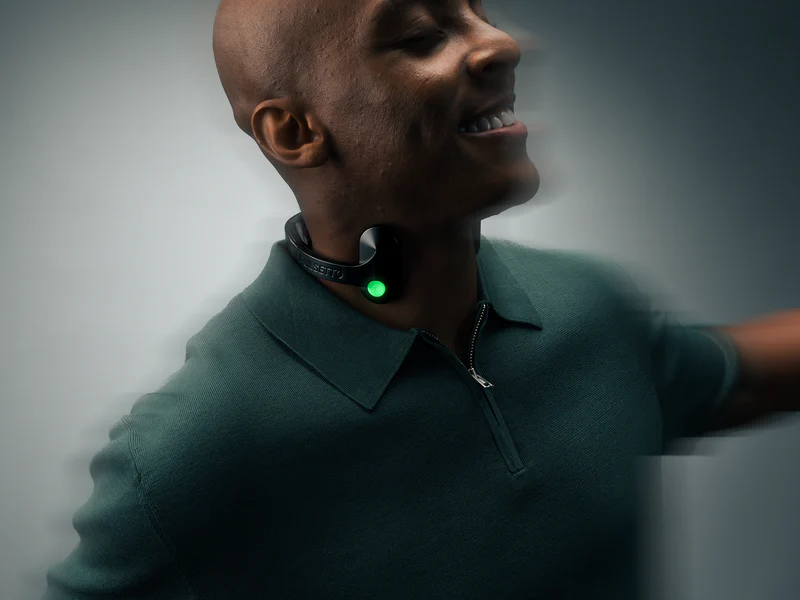
Pulsetto is a non-invasive wearable designed to support vagus nerve stimulation for stress. The vagus nerve is a major component of the parasympathetic nervous system, which helps regulate heart rate, digestion, and recovery from the stress response. When a person experiences stress, the sympathetic nervous system activates, increasing heart rate and cortisol. Parasympathetic activation helps the body return toward baseline. Non-invasive vagus nerve stimulation is designed to support that regulatory shift. It is not a treatment for anxiety disorders or other medical conditions, but it may help support relaxation routines and stress management practices when used consistently.
Pulsetto delivers gentle electrical stimulation to the vagus nerve through short sessions, typically 4 to 10 minutes. It is portable, guided through an app, and designed for repeatable daily use. Many users incorporate it before sleep, after stressful situations, or during a quiet place break in daily life.
Key features
-
Non-invasive neck-worn stimulation
-
4–10 minute structured sessions
-
App-guided routines
-
Portable build and travel-ready design
-
Designed to support relaxation techniques and sleep routines
-
2 year warranty & 30 day money-back
Pros
Cons
-
Higher upfront cost than tactile tools
-
Requires device charging
-
Not suitable for people with pacemakers, certain seizure disorders, or during pregnancy without medical guidance
Buying considerations
-
Budget tier: premium device purchase versus low-cost rituals (tea, diffuser, etc.)
-
Time-to-use: designed for short sessions, useful when you only have a few minutes
-
Learning curve: minimal, but expect a few sessions to dial in intensity and routine timing
-
Safety notes: if you have a pacemaker or implanted electrical device, a seizure disorder, are pregnant, or have concerns about blood pressure/heart conditions, consult a healthcare professional before use and follow manufacturer guidance
How it compares
Compared with supplements that act systemically or tactile tools that relieve muscle tension, Pulsetto offers a more structured, device-led routine that works directly with the body’s stress response pathway. It typically involves a higher upfront investment but may feel more guided and immediate than journaling, tea, or muscle-based tools.
2. Weighted Blanket
Best for: stress that disrupts sleep.
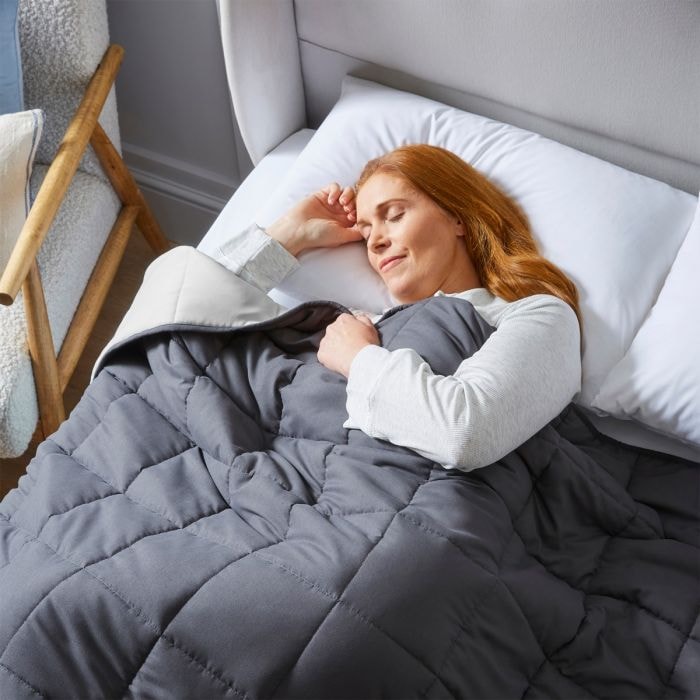
A weighted blanket is one of the most mainstream stress relief products for bedtime because it adds steady, full-body pressure that many people experience as calming and “grounding” when their mind is racing. It is not a cure-all, but for sleep stress it can make it easier to settle into a more relaxed state and stay there long enough to fall asleep.
For sizing, general guidance is to choose a blanket that’s roughly 7-12% of your body weight, then adjust based on comfort. Some people prefer lighter pressure for daily use, while others like a heavier feel for peak stress nights. Materials matter too. Cotton tends to feel crisp and breathable, bamboo blends often run cooler and softer, and glass beads are commonly used as filling because they distribute weight evenly without bulky “lumps.”
What to look for
-
Appropriate weight and size for your body and bed
-
Cooling or breathable fabric if you run warm
-
Washable cover (ideally removable) for easier upkeep
-
A solid return policy, since comfort is personal
Potential downsides
Heat buildup is the most common complaint, especially in warmer seasons. Some people also dislike the restricted feeling, and it may not be suitable for those with respiratory issues, significant mobility limitations, or children without guidance. Cost can also climb with larger sizes and premium fabrics.
3. Magnesium Glycinate Supplement
Best for: relaxation and sleep support.
According to information published by the National Institutes of Health Office of Dietary Supplements, magnesium is involved in hundreds of processes in the body, including muscle relaxation, nerve signaling, and regulation of the stress response. When stress levels are high, muscle tension and difficulty falling asleep are common. For people with low dietary intake, magnesium supplementation may support relaxation and overall stress reduction routines. The glycinate form is often selected because it is generally considered more tolerable than some other forms, with a lower likelihood of digestive discomfort.
Typical label ranges vary by brand and formulation, and it is important to follow product instructions rather than self-prescribing higher amounts. If you are pregnant, breastfeeding, taking prescription medications, or managing a medical condition, speak with a clinician before starting any supplement. This is especially important for individuals with kidney disease or those taking certain antibiotics, as magnesium can interfere with absorption.
Some people may experience mild gastrointestinal upset, including loose stools or stomach discomfort. If adverse effects occur, discontinue use and seek guidance.
What to look for
-
Magnesium glycinate clearly listed on the label
-
Third-party testing for purity and quality
-
Transparent dosing information within typical label ranges
-
Minimal fillers, artificial colors, or unnecessary additives
Compared with herbal options such as ashwagandha, magnesium focuses on mineral repletion rather than botanical extracts, which may appeal to those who prefer a simpler ingredient profile.
4. Aromatherapy Diffuser with Lavender
Best for: creating a calming environment quickly at home.
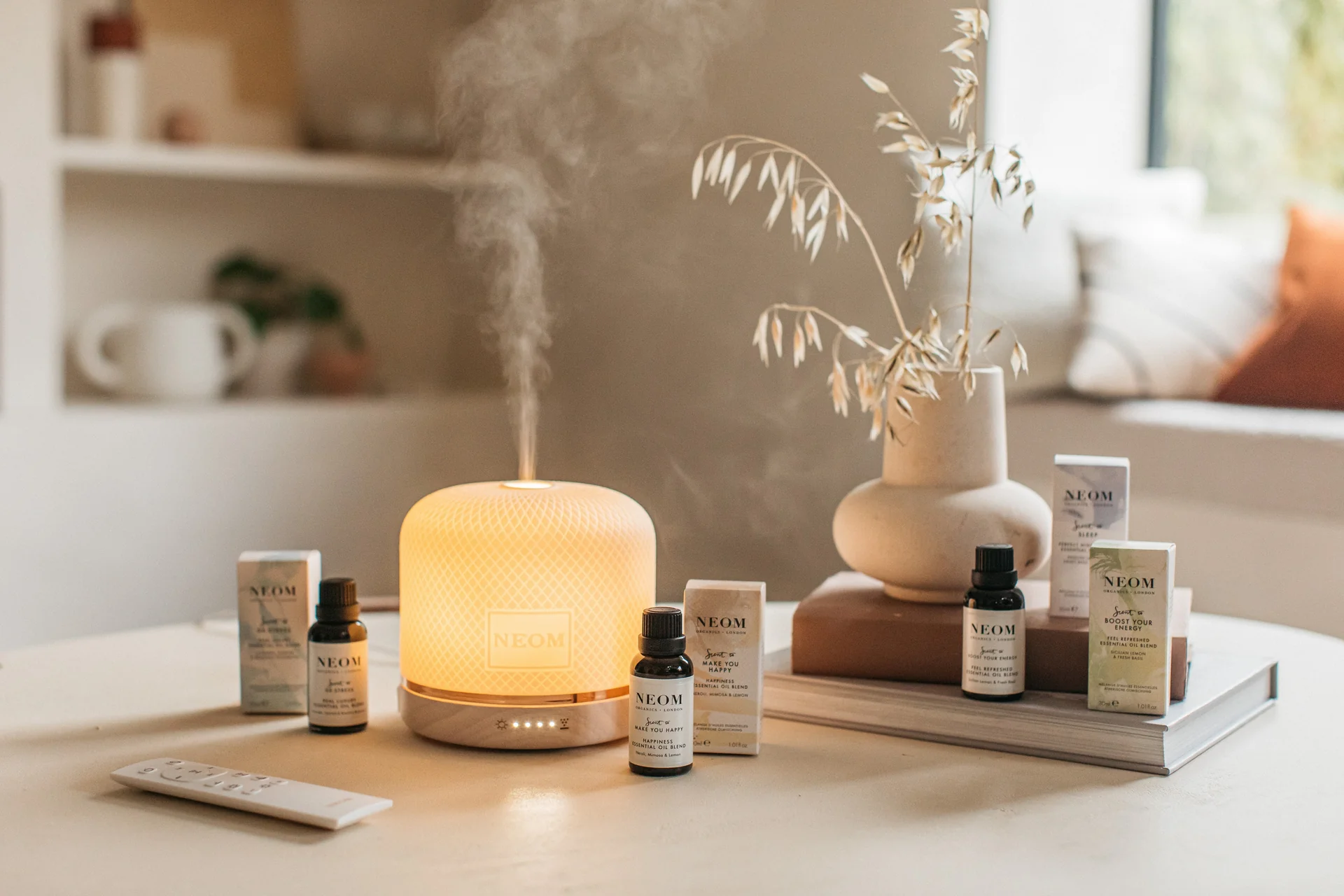
An aromatherapy diffuser is one of the most accessible and low-cost stress relief products for shaping a calmer atmosphere in daily life. While it does not directly change the body’s stress response, scent can influence mood and relaxation rituals, especially when paired with mindfulness practices, deep breathing, or a consistent wind-down routine before sleep.
There are two common diffuser types. Ultrasonic diffusers use water to disperse a fine mist of diluted essential oil, making them suitable for bedrooms and medium-sized rooms. Nebulizing diffusers release undiluted oil and produce a stronger scent, which may be better for larger spaces but can feel intense in small rooms. Choosing a diffuser sized for your room prevents overpowering fragrance and wasted oil.
Look for features such as auto shutoff, adjustable run time, easy-to-clean reservoirs, and reputable oil sourcing. Regular cleaning prevents residue buildup and keeps the device functioning properly.
For safety, ensure adequate ventilation. Essential oils can affect pets, especially cats, and small children may be more sensitive to concentrated scents. Oils should never be applied directly to skin without proper dilution. Lavender is commonly used in relaxation rituals, but aromatherapy supports stress reduction routines rather than treating anxiety or medical conditions.
5. Guided Breathing Device
Best for: on-demand calming in 2-10 minutes.
Guided breathing devices are designed to help reduce stress quickly by pacing your breath in a structured way. Slow, controlled breathing can lower perceived stress and help the body shift toward a more relaxed state. When breathing slows and deepens, heart rate often follows, which can ease the physical sensations that accompany short term stress such as increased heart rate or feeling overwhelmed.
These tools are practical before a job interview, during a commute, before bedtime, or in the middle of a demanding workday. Some devices connect to apps that provide visual animations, audio guidance, or progress tracking. Others are standalone tools that use gentle haptic pulses, light cues, or sound patterns to guide deep breathing exercises without requiring a phone.
When choosing a device, look for adjustable pacing so you can match your comfort level, simple controls, good battery life, and portability. The most effective breath training tools are easy to start in a few minutes and do not require complicated setup.
Potential downsides include personal preference. Not everyone enjoys focusing on breathing, and some people may find structured breathwork uncomfortable at first. For many, however, a guided breathing routine becomes a reliable stress reduction habit that fits easily into daily life.
6. Acupressure Mat
Best for: end-of-day decompression and back or neck tension.
An acupressure mat is a foam or cotton pad covered in small plastic spikes designed to stimulate the surface of the skin. The sensation can feel intense at first, especially across the back or shoulders, but many users describe it shifting from sharp pressure to warmth as the body settles.
Typical sessions start short, around five to ten minutes, allowing the body to adapt. Over time, some people extend sessions to twenty minutes or more, often pairing the mat with calming music, progressive muscle relaxation, or a wind-down routine before sleep. Beginning with a thin layer of clothing can make the experience more comfortable while building tolerance.
When choosing a mat, consider spike density and firmness, whether a matching neck pillow is included, and practical features such as a washable cover and a carry bag for storage.
Use caution if you have bleeding disorders, take anticoagulant medications, or have sensitive or broken skin. Discontinue use if you notice pain, irritation, or skin issues. For many, it becomes a low-cost addition to a broader stress management and relaxation practice.
7. Foam Roller or Massage Gun
Best for: stress that shows up as tight muscles.
Stress often settles into the body as muscle tension, especially in the shoulders, neck, hips, and lower back. Foam rollers and massage guns address this physical pathway of stress relief by applying pressure to tight areas and encouraging circulation.
A foam roller is the simplest and most affordable option. It relies on manual pressure and body weight to target larger muscle groups. Rollers vary in density and surface texture. Softer rollers may suit beginners or those with heightened sensitivity, while firmer, textured designs provide deeper pressure. They require active participation and some basic technique, but they remain a low-cost and durable addition to at-home stress management routines.
Massage guns provide percussive therapy through rapid pulses delivered to the muscle. They offer adjustable intensity levels, multiple attachments for different muscle groups, and greater convenience when targeting hard-to-reach areas. When selecting a massage gun, consider noise level, battery life, weight, grip comfort, and the range of intensity settings.
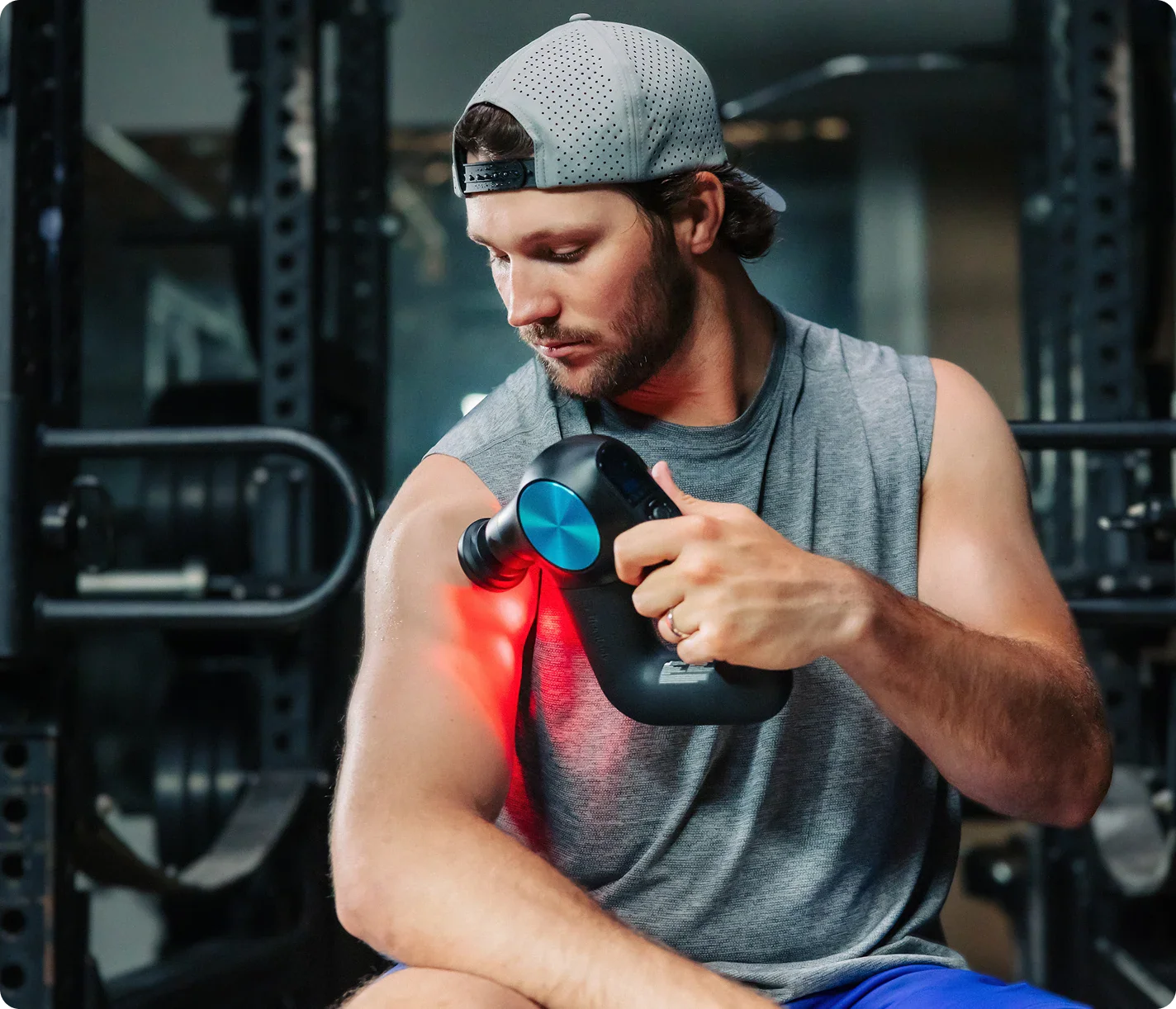
Both tools require thoughtful use. Avoid applying pressure directly over bony areas, joints, or acute injuries. Initial soreness is possible, especially with higher intensity settings or firm rollers. Learning proper technique helps reduce the risk of irritation and improves effectiveness. Used consistently and carefully, these tools may help relieve muscle tension linked to chronic stress and physical activity.
8. Stress Relief Fidget Toy
Best for: nervous energy and focus during work or study.
Stress relief fidget toys are simple, desk-friendly tools designed to channel restless energy into repetitive hand movement. For people who experience stress and anxiety during meetings, studying, commuting, or working on a deadline, tactile input can help redirect attention away from intrusive thoughts and toward a manageable physical action.
These tools are especially useful in environments where discreet stress management is important. A quiet stress ball, soft putty, or compact fidget cube can be used during a presentation, while reviewing notes, or before a job interview without drawing attention. Many people find that subtle, repetitive squeezing or rolling helps them stay present and maintain focus during daily life.
When choosing a fidget tool, consider the material and texture. Silicone, foam, and gel-filled options all feel different in the hand, and preference matters. Quietness is important in shared spaces. Durability and washability are practical considerations, especially for tools used frequently throughout the day.
For a broader overview of formats and use cases, see this guide to best stress relief toys. These tools are inexpensive and accessible, making them an easy entry point for stress management at work or school.
9. Herbal Tea (Chamomile or Lemon Balm)
Best for: evening wind-down ritual.
Herbal tea is one of the simplest stress relief rituals to build into daily life. Caffeine-free options such as chamomile and lemon balm are commonly used in evening routines because they support a calm transition from daytime activity to sleep preparation. Unlike caffeinated beverages that can elevate heart rate and increase alertness, these teas are typically labeled caffeine-free and designed for nighttime use.
Timing matters. Drinking a warm cup 30 to 60 minutes before bed creates a predictable signal to the body and mind that it is time to slow down. The act of preparation itself can become part of a relaxation technique, especially when paired with deep breathing, soothing music, or a short screen-free routine. Taste also plays a role. Chamomile has a mild, floral profile, while lemon balm offers a light citrus note. Some people prefer single-ingredient teas for clarity, while others choose blends formulated for stress reduction or sleep.
When shopping, look for reputable sourcing, clear caffeine-free labeling, and minimal additives. Safety matters as well. Those who are pregnant, nursing, allergic to related plants, or taking sedatives or blood thinners should consult a clinician before regular use. Herbal tea can support stress management habits, but it works best as part of a broader routine for emotional well being and sleep.
10. Journal or Guided Anxiety Workbook
Best for: rumination, overthinking, and building coping skills.
A journal or guided anxiety workbook supports long-term stress management by helping you move thoughts out of your head and onto paper. When stress builds, mental loops can amplify anxiety and increase the stress response. Writing creates distance from those thoughts and allows you to examine them more calmly. This process can improve emotional well being without replacing professional care when it is needed.
Formats vary. A prompt journal offers short daily questions that guide reflection, while a CBT-style workbook provides structured exercises focused on identifying thought patterns and reframing them. Many people use journaling in the morning to organize priorities and reduce overwhelm before a busy day. Others prefer evening reflection to process stressful situations and prevent rumination before sleep.
Pairing journaling with short practices such as breathing exercises or other techniques for instant stress relief creates a balanced approach between immediate calm and long-term resilience.
When choosing a journal or workbook, look for clear prompts, logical structure, evidence-based framing, and privacy features such as password-protected digital formats or discreet covers. As a self-help tool, journaling supports coping skills and stress reduction over time through consistent practice.
How These Stress Relief Products Were Chosen
This list was curated using objective criteria designed to reflect how people actually shop for stress relief in 2026. Our goal is not to promote trends, but to match products to real-world stress patterns and practical daily use.
Each item was evaluated based on speed of perceived relief, usability, safety profile, cost, durability, and accessibility. Speed matters for people navigating short term stress before a meeting or during a job interview. Usability and learning curve matter for busy schedules. Safety and tolerability were considered especially for supplements and devices. Cost and long-term value were weighed against daily practicality.
Ranking logic also followed an evidence hierarchy. Where clinical research is available, particularly for supplements and device-based approaches, it informed placement and credibility. For comfort-based or tactile tools, user experience, low-risk profiles, and widespread adoption were stronger factors.
Products were mapped to clear “best for” use cases: sleep disruption, workplace stress, students under academic pressure, muscle tension from physical activity, and on-the-go stress management during commuting or travel.
No hands-on testing claims are made here. Instead, this list blends available research, established integrative health principles, and common real-world use patterns to create a balanced, credible shopping guide.
Buying Guide - Match a Product to Your Stress Type
Stress does not look the same for everyone. Some people experience muscle tension and headaches. Others notice racing thoughts at night, irritability during meetings, or feeling overwhelmed by daily life. Choosing the right tool depends on identifying how stress shows up in your body and mind. Use the matrix below to match your stress pattern with the most appropriate category of product.
If stress feels physical (tight shoulders, jaw clenching, muscle tension):
These options focus on relieving muscle tension and supporting relaxation in the body. They are practical for people whose stress response shows up as stiffness after long workdays or intense physical activity.
If stress disrupts sleep (difficulty falling or staying asleep):
-
Pulsetto for structured nervous system support
-
Weighted blanket for grounding pressure at night
-
Magnesium glycinate supplement for relaxation support
-
Herbal tea (chamomile or lemon balm) as an evening wind-down ritual
This group supports stress management by promoting a calmer pre-sleep routine and helping the body transition into a more relaxed state.
If stress is situational (meetings, commuting, job interview, traffic jam):
These options are portable and designed to help reduce stress quickly in stressful situations without drawing attention.
If stress presents as mental overload (rumination, long to-do list, feeling overwhelmed):
Structured writing builds long-term coping skills, especially when paired with short breathing exercises. Students managing academic pressure may find dedicated routines and structured tools helpful; see these practical stress relievers for students for age-specific strategies.
If budget is tight:
-
Start with herbal tea, a simple journal, or a fidget toy
-
Upgrade later to device-based options or a guided breathing tool
Beginning with low-cost options allows you to build healthy stress relief habits before investing in higher-priced devices. The key is alignment. The best product is the one that fits your stress pattern, daily routine, and comfort level.
Safety Notes and When to Get Professional Help
Stress relief products can support stress management, emotional well being, and relaxation routines, but they do not replace therapy, medical care, or guidance from a qualified mental health professional. Occasional stress is part of daily life. However, certain symptoms require professional evaluation rather than self-guided tools alone.
Seek medical care promptly if you experience chest pain, trouble breathing, sudden or severe headaches, or a rapid or irregular heartbeat. Persistent anxiety, frequent panic attacks, severe insomnia that lasts for weeks, worsening symptoms, or thoughts of self-harm or suicidal ideation are red flags that require immediate professional support. If you or a family member is in crisis, contact local emergency services or a mental health hotline in your area.
Supplements such as magnesium or herbal products can interact with prescription medications and may not be appropriate for individuals who are pregnant, nursing, managing kidney disease, high blood pressure, or other chronic health conditions. Always review label directions and consult a clinician if you are unsure. Discontinue use if you notice adverse effects such as gastrointestinal upset, dizziness, or unusual symptoms.
Device-based products should be used according to manufacturer instructions. People with pacemakers, implanted medical devices, seizure disorders, or other complex medical conditions should consult a healthcare provider before use.
These products are designed to help reduce stress and support overall health. They are tools for stress management, not substitutes for professional mental health care when it is needed.
Related Pulsetto Resources
If you would like to go deeper into stress management, nervous system support, and practical stress relief techniques, the following recommendations expand on key topics covered in this guide. You can explore how stress affects the body and mind, how different tools support mental well being, and how to build sustainable routines that help reduce stress over time.
-
Learn how to choose a wearable stress relief device and understand what features matter most for daily stress management.
-
Explore evidence-informed stress relief techniques that fit into busy schedules and support overall health.
-
Discover relaxation techniques that complement device-based tools and help manage stress in daily life.
-
Understand how chronic stress affects mental health, physical health, blood pressure, and long term stress patterns.
These resources are designed to support complementary and integrative health approaches that combine practical tools, relaxation practices, and sustainable lifestyle habits.
Best Stress Relief Products FAQs
What are the best stress relief products for most people?
For most people, a structured device like Pulsetto, a weighted blanket for sleep, and a breathing tool offer balanced support across physical and mental stress triggers.
Do stress relief devices like vagus nerve stimulators actually work?
Non-invasive vagus nerve stimulation is designed to support parasympathetic activation. Individual experiences vary, but many users report improved relaxation and sleep routines.
What is the best stress relief product for sleep?
Pulsetto, weighted blankets, magnesium glycinate, and herbal tea are common choices for supporting relaxation before sleep.
Are anti-stress supplements safe to take every day?
Safety depends on individual health status and medication use. Always follow label instructions and consult a healthcare provider if unsure.
What are good stress relief products for work or school?
Guided breathing devices, fidget tools, and journaling support focus and stress management in structured environments.


