13 Best Recovery Tools for Athletes
1. Pulsetto
Best for: Nervous system recovery, stress reduction, and sleep optimization for athletes.
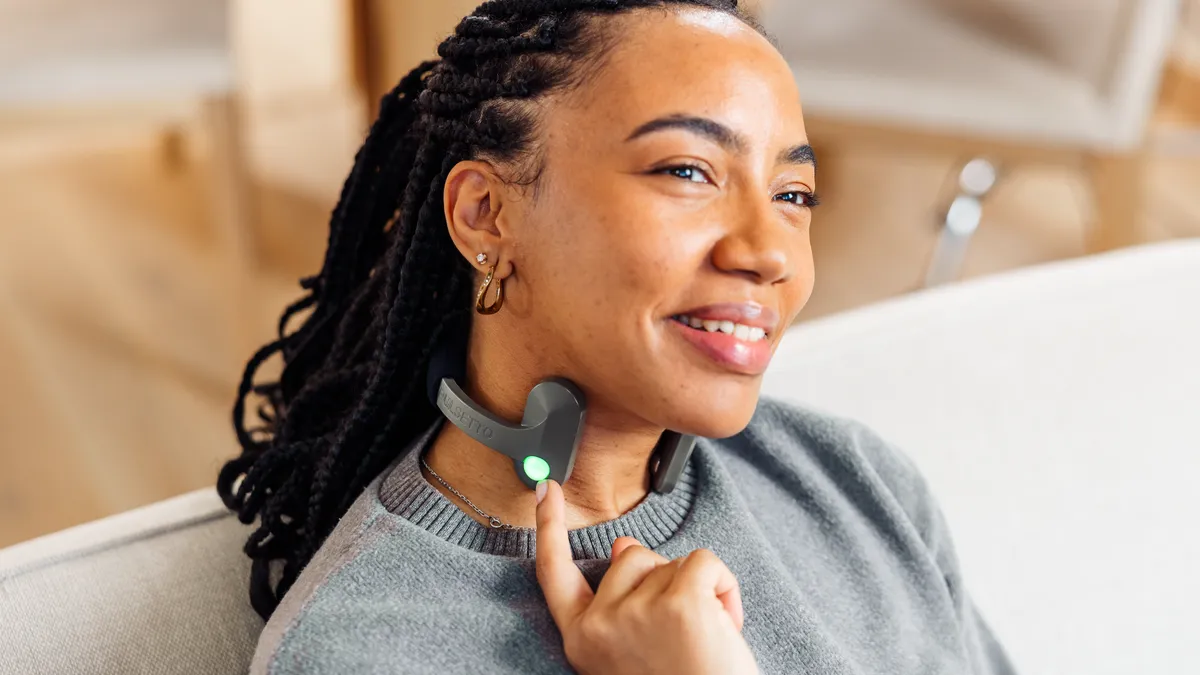
How Pulsetto Supports Athlete Recovery
Most athlete recovery conversations focus on muscle recovery: soreness, tissue repair, inflammation. Fewer address the nervous system load that drives hormone balance, sleep quality, and post workout recovery at the foundational level. Hard training activates the sympathetic nervous system. If parasympathetic recovery does not follow adequately between sessions, cortisol stays elevated, growth hormone output drops, and muscle repair slows regardless of nutrition or percussion sessions. That is the gap the Pulsetto Vagus Nerve Massager fills.
Pulsetto uses gentle electrical stimulation to activate the vagus nerve, triggering a parasympathetic response that signals the body to repair and rest. Sessions run four to ten minutes and are fully app-controlled, with programs targeting stress reduction, sleep improvement, and burnout prevention. Understanding how the vagus nerve drives recovery clarifies why athletes who use Pulsetto consistently report better sleep, lower resting heart rate, and faster readiness scores. Quality nightly sleep mends the body at the cellular level, and Pulsetto improves the nervous system conditions that make deep, restorative sleep possible.
Pulsetto Key Features and Performance
For post workout recovery, using Pulsetto immediately after training helps shift the body from sympathetic to parasympathetic mode faster than passive rest alone. Mental techniques such as deep breathing activate the same parasympathetic pathways, and Pulsetto amplifies this effect through direct vagal stimulation. It is hands-free, highly portable, and requires no technical setup. As a recovery tool for athletes that works at the systemic level rather than the muscular level, it has no direct competitor on this list. That said, you should always consult your healthcare provider before use if you have low blood pressure or cardiac conditions.
Who Pulsetto Is Best For
Pulsetto is ideal for high-volume competitors, overreached athletes, poor sleepers, frequent travelers, and anyone whose primary recovery bottleneck is stress load and sleep quality rather than isolated muscle soreness. It is not a mechanical muscle therapy tool and does not replace percussion or compression devices, but it strengthens the biological conditions that allow all other recovery tools to work more effectively.
2. Theragun PRO
Best for: Deep tissue muscle recovery and high-intensity soreness relief.
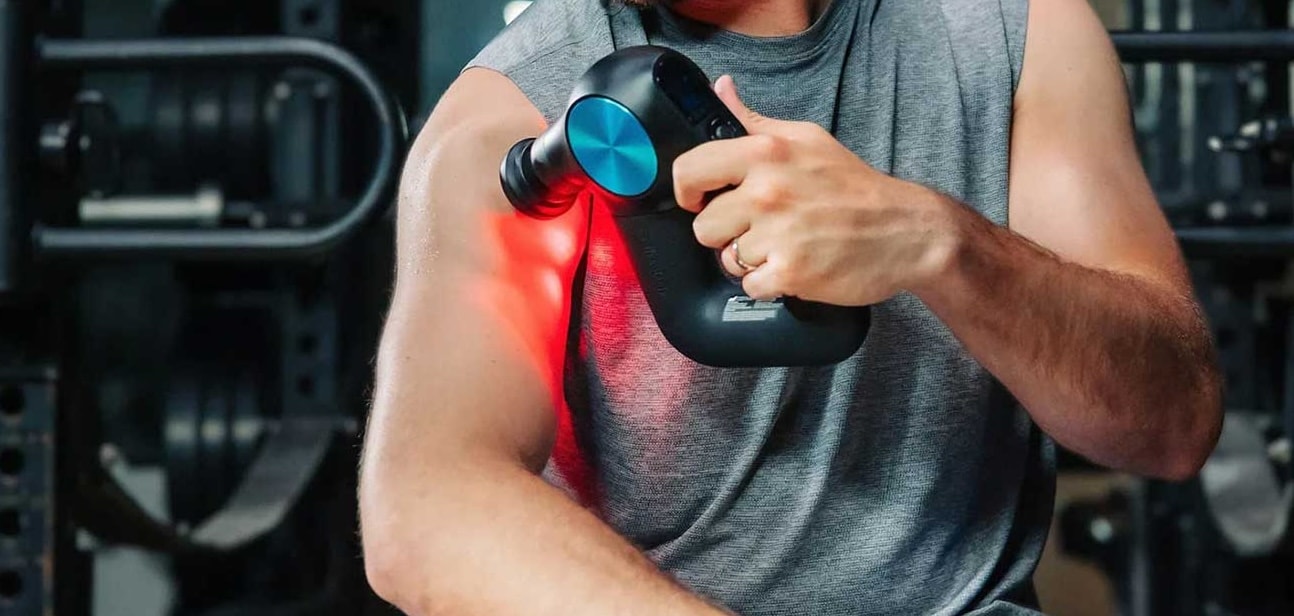
Theragun PRO Performance and Features
The Theragun PRO is the benchmark for best muscle recovery tools in the percussion category. Its 16mm amplitude reaches deeper into muscle tissue than most consumer devices, making it effective for breaking down dense soreness after heavy strength sessions. Massage guns use pulsating heads to deliver percussive therapy to target muscles and soft tissues, and the Theragun PRO executes this at a level that justifies its premium positioning among workout recovery tools. Percussion guns are specifically recommended for strength and power athletes who need deep muscle soreness relief, and the Theragun PRO is built precisely around that use case.
The adjustable multi-grip arm allows solo access to the back, glutes, and hamstrings. Five speed settings and six interchangeable attachment heads give precise control over treatment intensity. A real-time force meter guides consistent pressure application, and the companion app provides guided warm-up and recovery protocols. Massage guns increase blood circulation, stimulate the lymphatic and nervous systems, and release lactic acid buildup.
Who the Theragun PRO Is Best For
It is heavier and more expensive than mid-range options, best suited to serious strength athletes, personal trainers, and anyone managing high-volume training demands where deep tissue percussion is a daily requirement.
3. Hyperice Hypervolt 2 Pro
Best for: Quiet but powerful percussive muscle recovery.
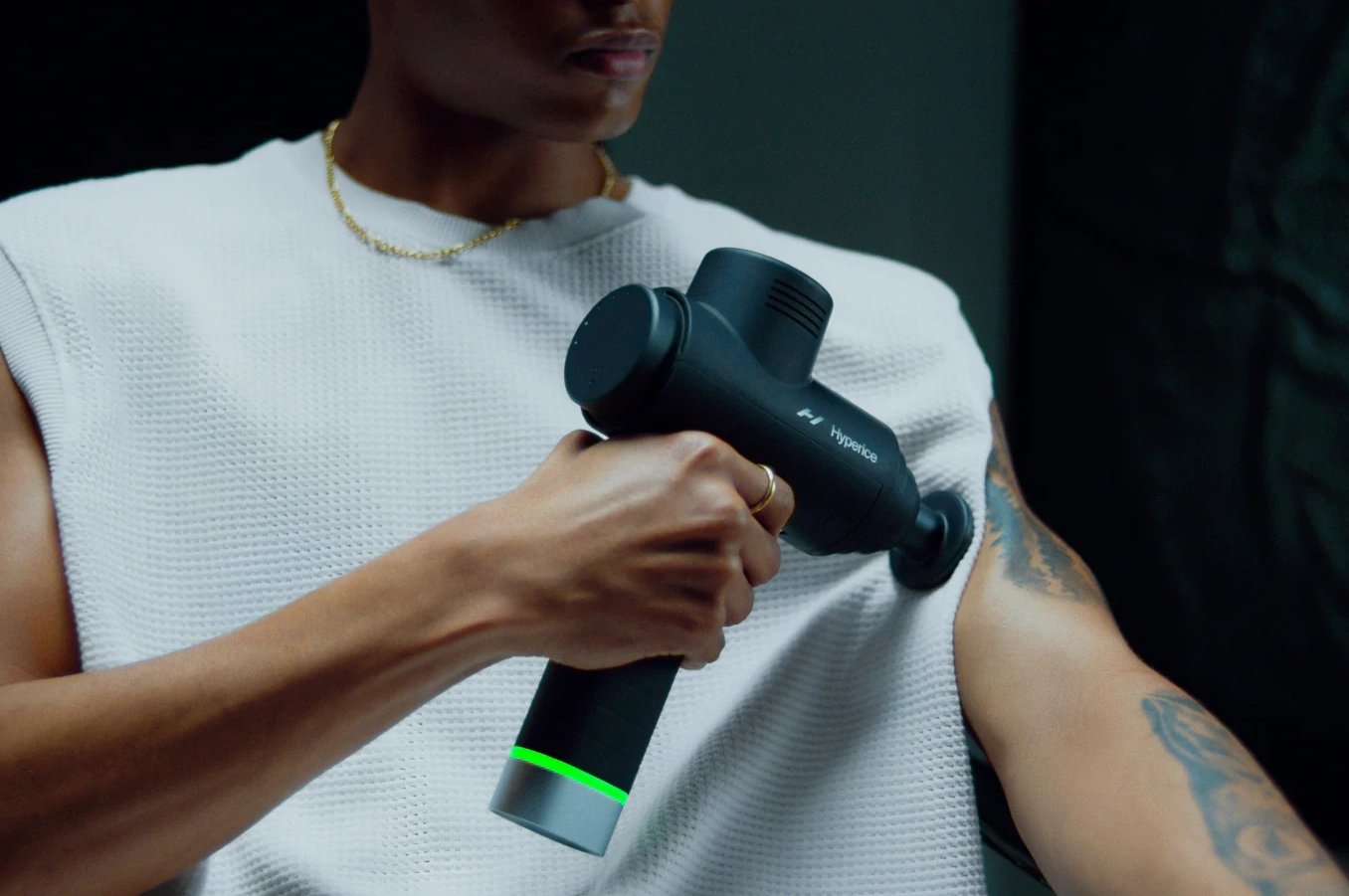
Hypervolt 2 Pro Performance
The Hyperice Hypervolt 2 Pro competes directly with the Theragun PRO as one of the top muscle recovery tools in the percussion space, differentiating through quieter operation and a more ergonomic grip design. For athletes training in shared environments where noise is a consideration, the reduced sound profile is a meaningful practical advantage. Stall force is high enough to handle dense muscle groups across the legs, back, and shoulders, and five interchangeable head attachments cover the most common treatment needs.
Pressure sensor feedback helps apply consistent force without grinding unevenly into soft tissue. Three speed settings cover the range from light activation to deep tissue treatment. The Hyperice app provides guided recovery sessions and integrates with connected fitness platforms.
Who the Hypervolt 2 Pro Is Best For
Its slightly more compact form factor makes it one of the more travel-friendly high-performance muscle recovery tools available. Athletes who want Theragun-class percussion performance but prioritize quieter operation and a lighter carry will find the Hypervolt 2 Pro a strong alternative, particularly for regular heavy trainers and team sport athletes who travel frequently for competition.
4. NormaTec 3 Compression Boots
Best for: Circulation enhancement and lower-body recovery.
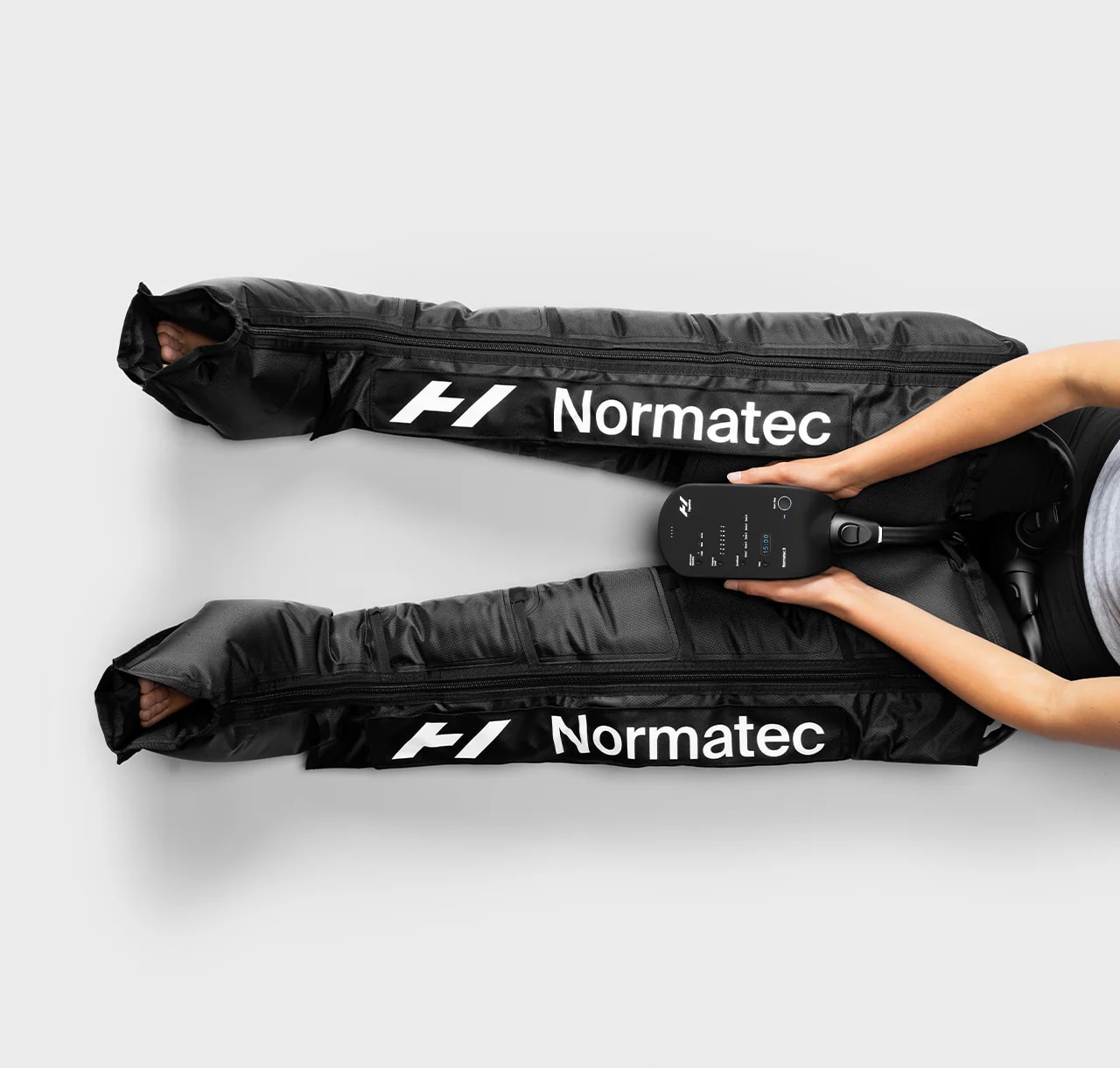
How NormaTec 3 Works
Compression systems use pneumatic compression to relieve muscle fatigue and enhance recovery by increasing circulation, and the Hyperice NormaTec 3 Leg Recovery System is the most trusted device in this category. Sequential air compression chambers move from the feet upward through the legs, mimicking the natural venous return process and accelerating the clearance of metabolic waste from muscle tissue. Compression gear such as socks and boots helps improve circulation and reduce muscle soreness, and the NormaTec 3 delivers this at a clinical level that has made it standard equipment in elite sport recovery protocols for years.
Sessions typically run 20 to 30 minutes and can be customized through the Hyperice app. Bluetooth connectivity and a wireless design improve significantly on wired predecessors. Recovery methods like compression improve mobility, reduce stiffness, and enhance overall athletic performance when used consistently.
Who NormaTec 3 Is Best For
For runners, cyclists, triathletes, and team sport athletes with heavy lower-body training loads, this category of recovery equipment for athletes plays a central role in sustaining training frequency. The main barriers are premium cost and storage space, making the NormaTec 3 best suited to athletes committed to structured, high-frequency recovery routines.
5. Cold Plunge Tub (e.g., Plunge or Ice Barrel)
Best for: Inflammation reduction and rapid post workout recovery.

Cold Therapy Benefits for Athletes
Cold water immersion is one of the most researched fitness recovery equipment investments for home use. Temperature therapy can help reduce inflammation, manage pain, and speed up overall recovery through controlled vasoconstriction and vasodilation. Cold therapy such as ice baths helps reduce inflammation and improve muscle recovery after workouts, and post workout recovery time is meaningfully accelerated through the circulatory cycle cold immersion triggers.
Temperature-based tools help manage acute inflammation and relax stiff muscles, and consistent cold plunge use produces adaptation benefits including improved cold tolerance, enhanced norepinephrine output, and improvements in mood and sustained energy. On the other hand contrast therapy, alternating cold and heat exposure, amplifies circulation shifts further and is a common protocol among competitive athletes.
Who Cold Plunge Is Best For
The practical limitations are cost and space: a quality cold plunge tub is a significant investment, and permanent installation requires dedicated space. Barrel-style models like the Ice Barrel are more compact. This tool is best suited to high-volume competitors and inflammation-prone athletes who train frequently with insufficient recovery time between sessions.
6. Compex Wireless Muscle Stimulator
Best for: Electrical muscle stimulation for active recovery.
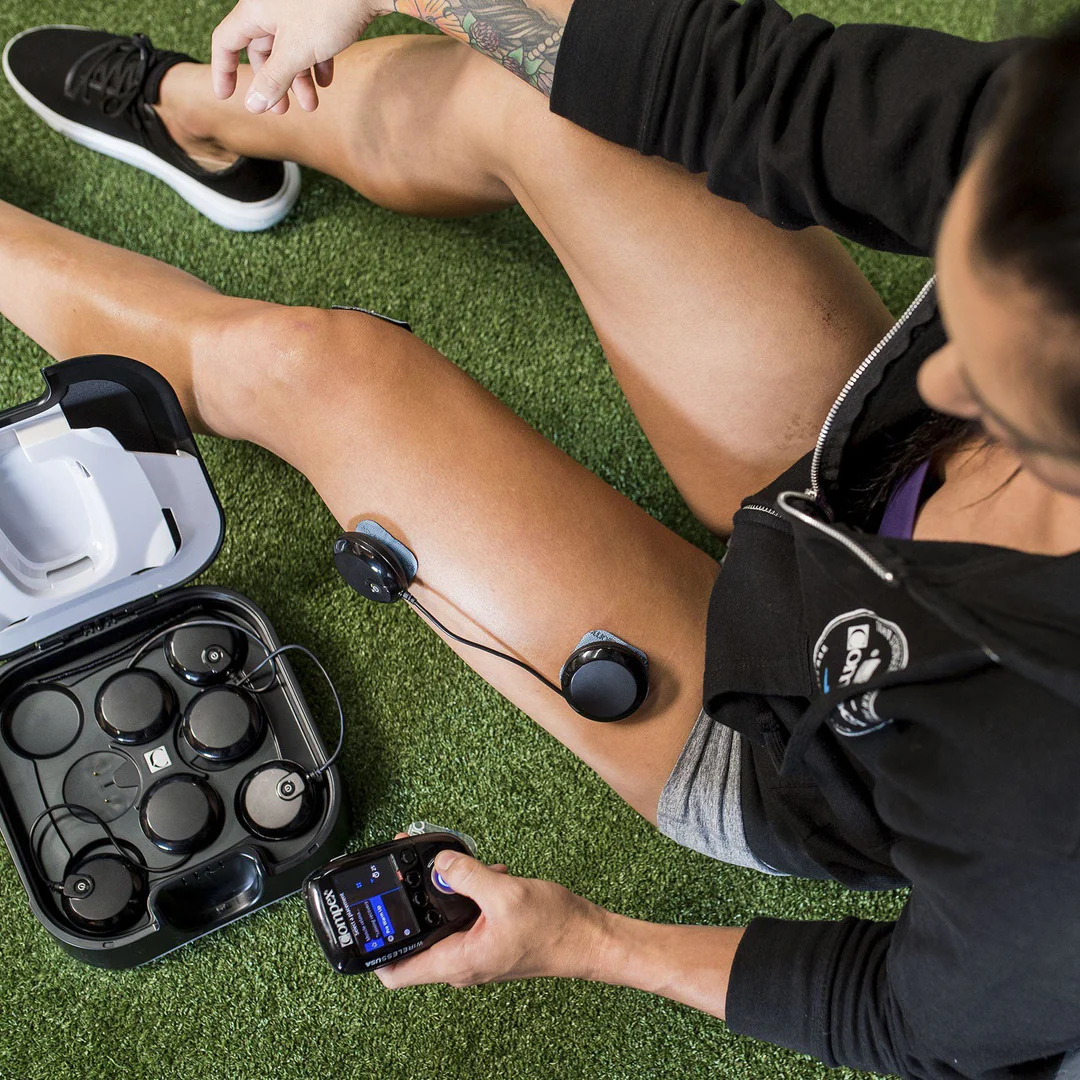
How Compex EMS Accelerates Recovery
The Compex Wireless Muscle Stimulator is one of the most purposeful recovery products for athletes who want to accelerate muscle repair between training sessions without adding physical load. Electrical muscle stimulation triggers involuntary muscle contractions that drive blood flow and clearance of metabolic waste without mechanical training stress. Active recovery involves light, low-impact activity to maintain blood flow without straining muscles, and Compex automates this principle through targeted electrical programs.
App-guided programs cover warm-up, active recovery, strength, and pain management. Wireless electrode pads connect without cables, improving freedom of movement. Active recovery increases blood flow and oxygen levels, helping maintain strength as the body repairs damaged tissues. The device is widely used in professional sport environments across track and field, rugby, and elite endurance sport.
Who Compex Is Best For
Electrode pad placement requires basic knowledge of muscle anatomy, which is the main learning curve for new users. This makes it best suited to competitive athletes, coaches working with athlete groups, and those with high-frequency training schedules who need consistent passive recovery acceleration between sessions.
7. TriggerPoint GRID Foam Roller
Best for: Affordable daily self-myofascial release.
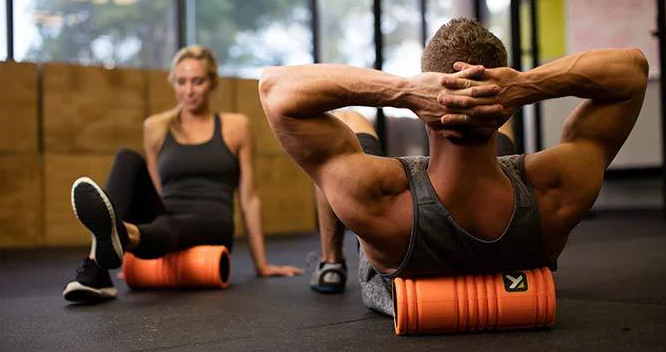
Why the Foam Roller Is a Must Have Recovery Tool
The TriggerPoint GRID is the must have recovery tool that anchors every athlete's basic recovery kit regardless of training level or budget. Self-myofascial release through foam rolling breaks up fascial adhesions, increases local blood flow, and reduces the mechanical stiffness that accumulates from repetitive training patterns. Tools for daily maintenance of fascia and muscle length include low-tech but effective options like foam rollers and massage balls, and the foam roller is the most accessible entry point into structured daily recovery work. Incorporating recovery tools into fitness routines helps speed up the process of fighting off soreness and repair.
Foam rollers are effective for self-massage and can help release muscle tension and improve blood flow throughout the targeted area. The GRID's multi-density surface provides varied pressure options across a single session. Pairing a foam roller with a lacrosse ball gives additional precision, since lacrosse balls are compact and effective for targeting specific muscle knots and trigger points that the broader foam roller surface cannot fully isolate.
Who the Foam Roller Is Best For
This is the right starting point for budget-focused athletes before investing in any powered recovery tool, and it remains valuable even for athletes who own every premium device on this list.
8. Pso-Rite Deep Tissue Tool
Best for: Targeted hip flexor and psoas muscle release.
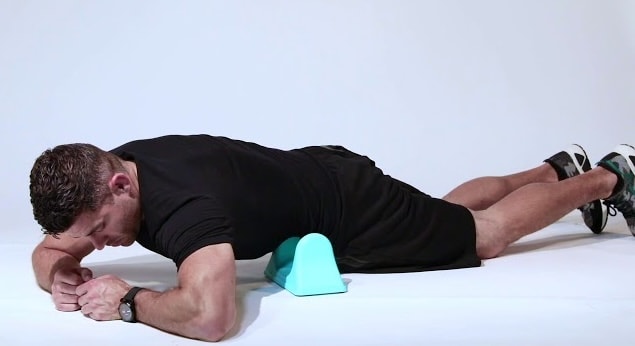
What Makes the Pso-Rite Unique
The Pso-Rite stands out among the best recovery tools for athletes who struggle with persistent hip flexor tightness, anterior chain restriction, or lower back stiffness. Its dual-node design allows you to use your own body weight to apply focused pressure directly into the psoas and surrounding hip flexor muscles. These deeper structures are difficult to reach with standard foam rollers or most percussion devices due to their anatomical position.
This tool is designed for specific muscle targeting rather than full-body recovery. Athletes who sit for long periods between training sessions often develop shortened hip flexors, which can affect stride mechanics, posture, and lower back comfort. The Pso-Rite addresses this bottleneck directly.
It is compact, durable, and requires no electricity, making it easy to integrate into a daily mobility routine. However, effective use requires tolerance for pressure. The sensation can feel intense, especially for beginners.
Who the Pso-Rite Is Best For
For athletes managing hip-driven movement limitations, it is a focused and cost-effective addition to a recovery toolkit.
9. Therabody RecoveryAir JetBoots
Best for: Portable compression recovery on the go.
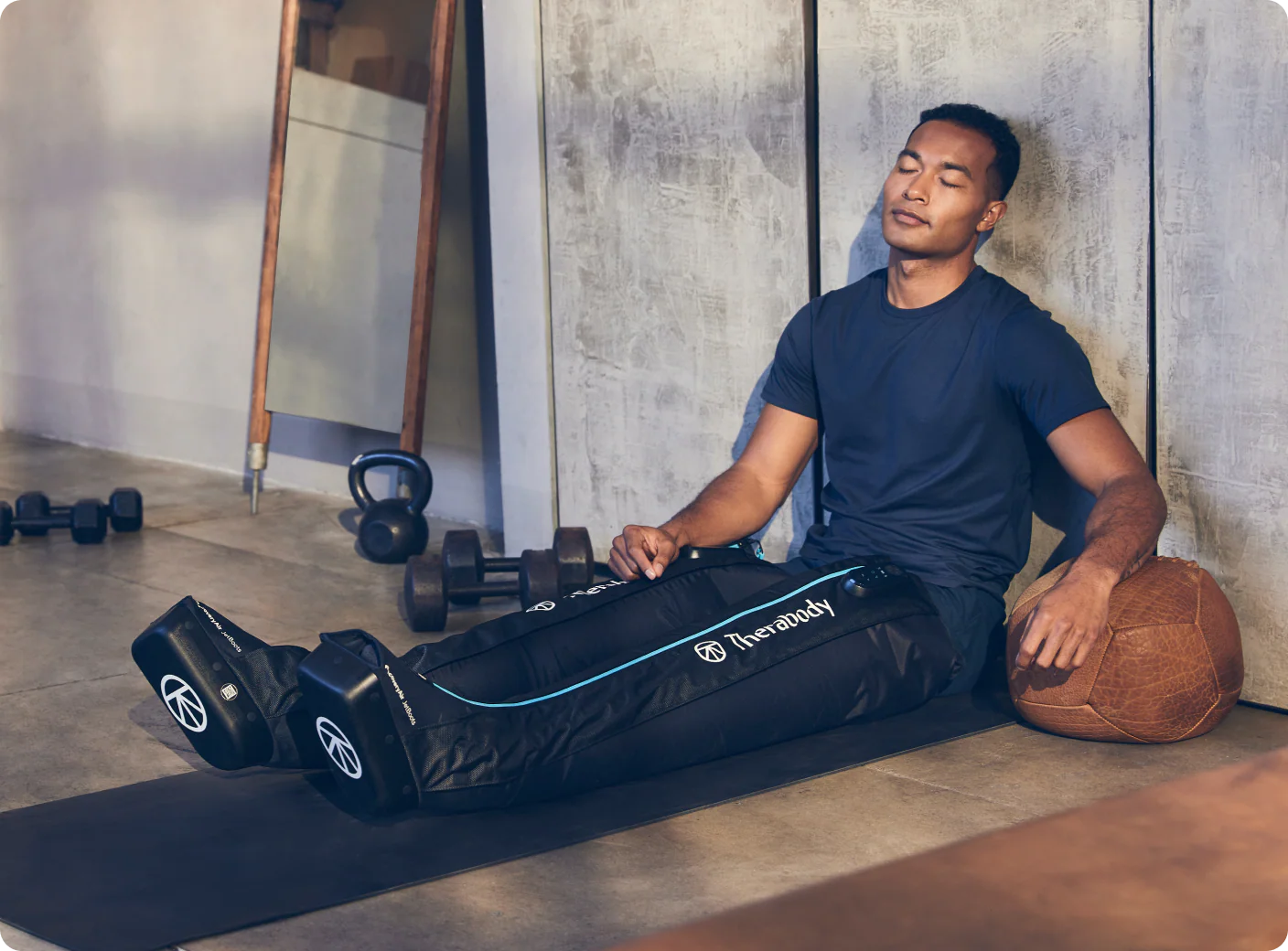
JetBoots Performance and Portability
The Therabody RecoveryAir JetBoots are the most travel-friendly compression option in the athlete recovery equipment category. Battery-powered and entirely self-contained, they require no external pump or power outlet, making them practical for hotel rooms, locker rooms, and competition venues where standard compression systems cannot operate. Sequential compression chambers move from the foot upward through the calf and quad, driving the same circulatory clearance process as the NormaTec at a reduced cost and with significantly improved portability.
App control through the Therabody platform allows customization of session intensity and duration. Battery life covers multiple sessions before recharging. Compression gear helps improve circulation and reduce muscle soreness, and the JetBoots deliver this reliably away from a home recovery setup.
Who the JetBoots Are Best For
For athletes who travel frequently for competition or training camps, the portability factor makes these one of the most practical best workout recovery tools available in the compression category.
10. Oura Ring (Recovery Tracking Tool)
Best for: Sleep and readiness tracking to optimize muscle recovery.
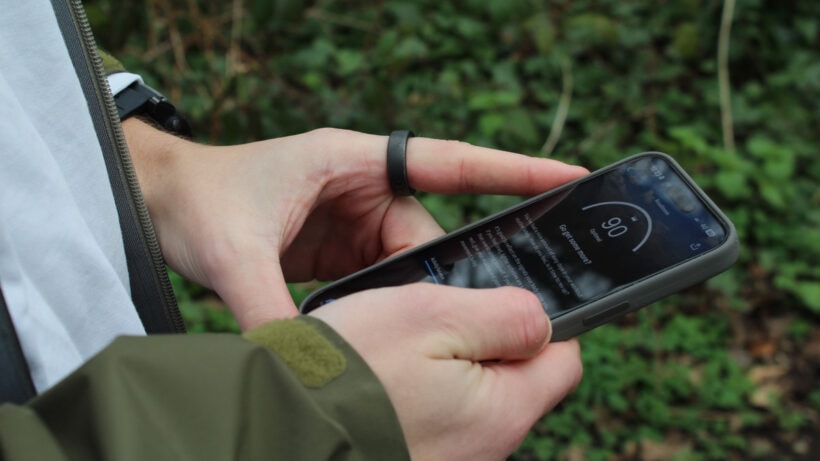
How the Oura Ring Tracks Recovery
The Oura Ring is one of the most sophisticated fitness recovery products available in a wearable form factor. Wearable technology can monitor sleep, heart rate variability, and daily strain to optimize training loads and recovery periods, and the Oura Ring delivers this through continuous optical heart rate, HRV, body temperature, and accelerometer monitoring. The daily readiness score synthesizes these physiological signals into a single actionable metric that tells athletes whether their body is prepared for high-intensity work or would benefit from a reduced load day.
Sleep optimization tools can aid recovery by improving the quality of sleep, which is essential for muscle repair, and the Oura Ring's sleep staging data identifies the deep and REM phases most critical for tissue repair and hormonal recovery.
Who the Oura Ring Is Best For
HRV trends over weeks reveal recovery patterns that often precede performance decline or injury, giving athletes and coaches early warning signals. It is best suited to data-driven athletes, those managing overtraining risk, and coaches looking for objective recovery metrics across an athlete group. A subscription is required for full feature access.
11. HigherDOSE Infrared Sauna Blanket
Best for: Heat-based circulation and relaxation recovery.
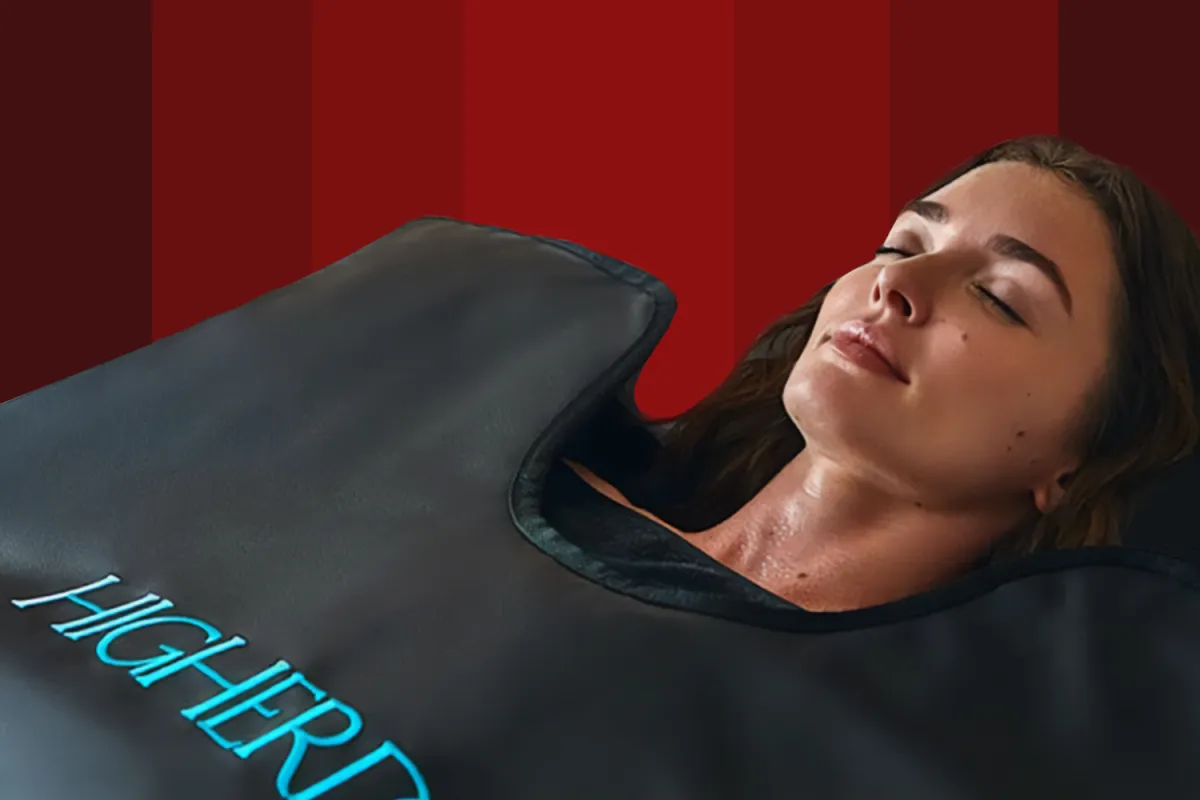
Infrared Sauna Blanket Benefits
The HigherDOSE Infrared Sauna Blanket represents a space-efficient category of workout recovery equipment designed for athletes who want heat therapy at home without installing a full sauna. Unlike traditional saunas that require dedicated space and electrical setup, this at-home option folds away after use and can be stored easily in a closet.
Infrared heat promotes vasodilation, which increases circulation and supports muscle relaxation after intense training. Improved blood flow helps deliver oxygen and nutrients to fatigued tissue, while the sweating response supports overall recovery processes. Many athletes use heat sessions on rest days or in the evening to reduce stiffness and encourage parasympathetic activation before sleep.
Typical sessions last 30 to 45 minutes. Because it raises core temperature, it is best used after the body has cooled down from high-intensity exercise rather than immediately post-workout.
Who the Infrared Sauna Blanket Is Best For
For athletes seeking circulation support and relaxation without investing in a permanent sauna installation, the infrared sauna blanket offers a practical, compact solution.
12. StretchLab Mobility Bands Kit
Best for: Mobility-focused recovery and flexibility work.
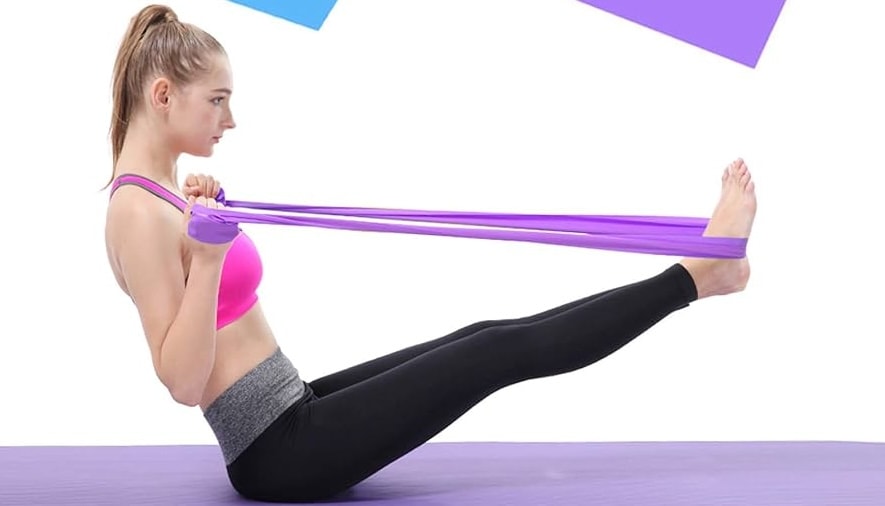
Why Mobility Work Belongs in Every Recovery Routine
Mobility bands are among the best workout recovery tools available for athletes who need to address range of motion deficits alongside muscle soreness management. Recovery methods can help improve mobility, reduce stiffness, and enhance overall athletic performance, and resistance-assisted stretching with mobility bands accelerates this process significantly compared to unassisted static stretching. Yoga and meditation practices can help reduce stress and improve flexibility, contributing to overall recovery, and mobility band work shares the flexibility improvement benefits of yoga with a more targeted, training-specific application.
A methodical post-workout recovery routine can include stretching, which helps soothe muscle tension or stress built up from workouts, and mobility bands make this more effective and time-efficient. The StretchLab kit covers key movement patterns for hip, shoulder, hamstring, and thoracic mobility that degrade most rapidly under heavy training.
Who Mobility Bands Are Best For
Cost is minimal and the bands store in a small bag. Daily mobility work of ten to fifteen minutes addresses the cumulative range of motion loss that underlies most overuse injuries in consistently training athletes. This is the most beginner-friendly tool on this list and the logical complement to a foam roller for athletes building a foundational daily recovery routine.
13. WHOOP 4.0
Best for: Recovery scoring and strain management for competitive athletes.
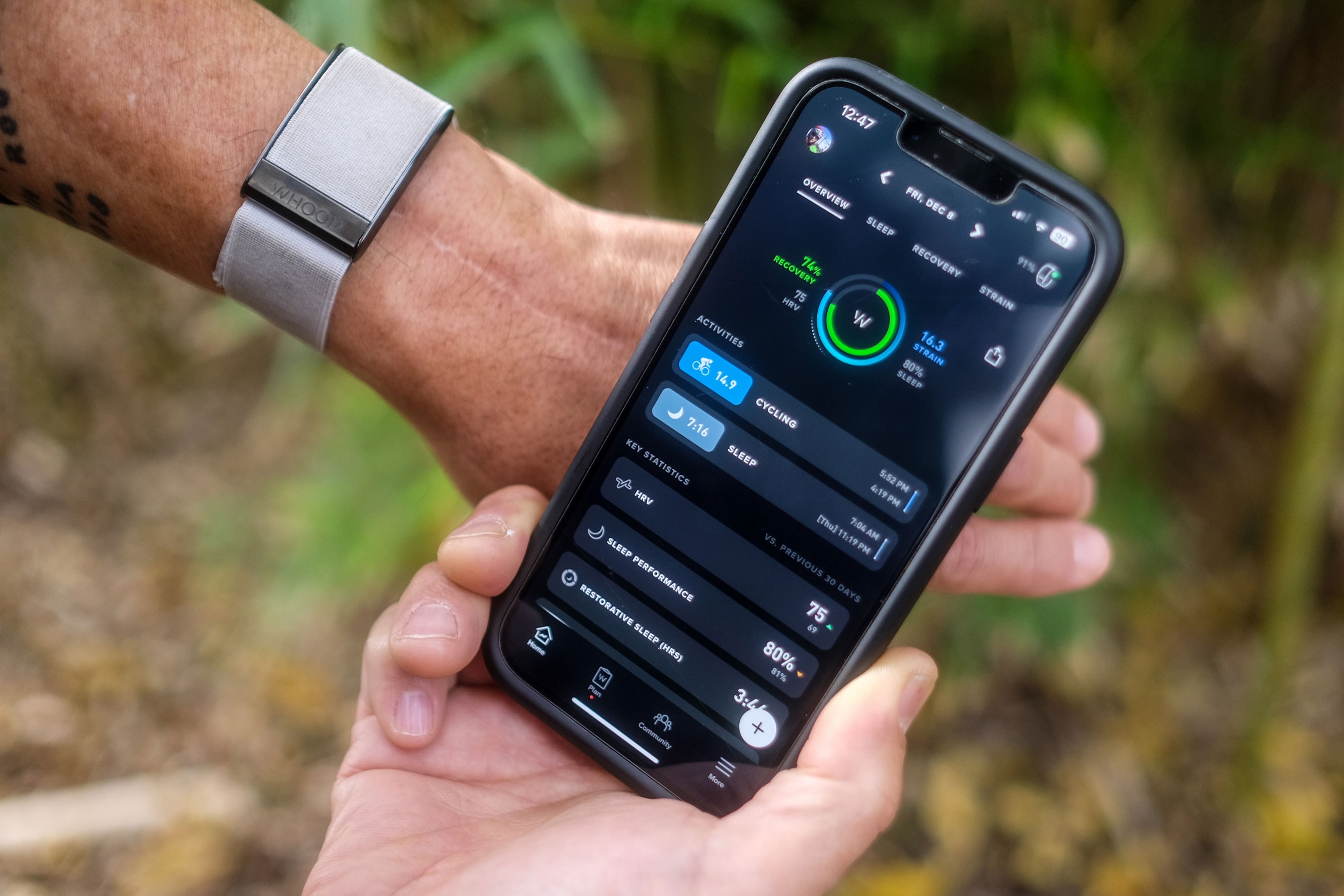
How WHOOP Tracks Strain and Recovery
The WHOOP 4.0 is a wearable device that tracks recovery metrics and provides insights to optimize training and recovery routines, and it is the platform most widely adopted by competitive athletes across professional and elite amateur sport. Its core function is strain and recovery scoring: WHOOP quantifies the cardiovascular load of every training session and daily activity, then tracks sleep, HRV, resting heart rate, and respiratory rate overnight to generate a daily recovery percentage that guides training intensity decisions. Among best recovery products for athletes who want data-driven training management, WHOOP provides the most actionable daily framework in the consumer market.
Sleep aids and tracking tools can enhance recovery by improving sleep quality, which is essential for muscle repair, and WHOOP's sleep staging and sleep debt tracking give athletes specific, actionable targets for sleep duration and quality. For athletes who have consistently overtrained and seen performance plateau or decline, WHOOP's strain management framework often reveals that supposed recovery days are being executed at loads that prevent genuine physiological recovery.
Who WHOOP Is Best For
The subscription model funds continuous hardware and software updates. The device operates without a screen, keeping data collection clean. It is best suited to competitive athletes, coaches managing athlete recovery data, and those building periodized training programs where load and recovery management is central to performance outcomes.
How to Choose the Best Recovery Equipment for Your Training Style
Choosing the best recovery equipment for athletes starts with identifying your sport, training intensity, and primary recovery bottleneck. Not all recovery tools solve the same problem. Some target muscle tissue directly, while others improve circulation, nervous system balance, or training load awareness.
Strength athletes often need mechanical muscle recovery tools such as percussion devices and deep tissue equipment to address dense soreness after heavy lifting blocks. Mechanical muscle recovery focuses on tissue quality and reducing stiffness so you can train again at full output.
Endurance athletes benefit more from circulation recovery strategies like compression boots and temperature-based tools. Improving blood flow and reducing inflammation supports consistent mileage and long training cycles.
Team sport athletes require a hybrid approach. Sprint loads, contact, and repeated high-intensity efforts demand both muscle recovery tools and tracking & monitoring systems that adjust workload based on readiness metrics.
High-stress competitors should prioritize nervous system recovery. Sleep quality and parasympathetic activation drive hormonal repair and post-session adaptation. Devices that support downregulation can complement traditional methods and pair well with other stress relief tools.
Budget-focused athletes can start with foundational fitness recovery equipment like foam rollers and mobility bands. These recovery tools provide daily maintenance at low cost and build long-term durability.
The right mix depends on whether your bottleneck is soreness, inflammation, stress, or overtraining. Layering categories strategically allows you to build a smarter system rather than chasing every gadget. If you want a deeper framework for optimizing recovery and performance, explore how to biohack your body with structured recovery principles.
Upgrade Your Recovery Routine With the Right Tools
The best recovery tools for athletes are not the most expensive or the most advanced. They are the ones matched to your training load and your real recovery gap. A strength athlete battling deep muscle soreness needs different recovery tools than an endurance athlete struggling with inflammation or a competitor running on poor sleep.
Sleep and nervous system recovery sit at the foundation of muscle repair. Without adequate parasympathetic activation and consistent deep sleep, hormone balance and tissue repair are limited, no matter how many muscle recovery tools you use. That is why starting with one or two core tools used daily often delivers better results than buying an entire stack of workout recovery equipment.
Identify your bottleneck first. Is it muscle soreness, inflammation, or elevated stress load? Choose one primary tool in that category and commit to consistent use. For athletes whose recovery is limited by sleep disruption or nervous system overload, starting with Pulsetto provides a foundation that supports every other recovery strategy layered on top.
FAQs: Best Recovery Tools for Athletes
What are the best recovery tools for athletes?
The best recovery tools for athletes depend on your main gap. Pulsetto supports nervous system recovery and sleep. Theragun PRO targets muscle soreness with percussion. NormaTec 3 Boots support circulation recovery through compression. A cold plunge tub helps manage inflammation. For budget athletes, a foam roller and mobility bands cover daily maintenance.
What helps boost muscle recovery after intense training?
Sleep comes first because tissue repair happens during deep sleep. Hydration and nutrition follow, including rehydrating and consuming carbohydrates to replenish glycogen stores plus adequate protein. Recovery tools support the process by improving circulation, reducing soreness, and managing inflammation. Nervous system downshifts also improve sleep quality.
Do recovery gadgets actually improve performance?
They can, when they reduce soreness and fatigue between sessions and help athletes train consistently. Tools that improve circulation, manage inflammation, and support sleep can increase training quality across a block. Rest and recovery also help prevent injuries during physical activity by reducing strain accumulation.
How often should athletes use recovery equipment?
Foundational tools like mobility work and foam rolling can be used daily. Percussion tools are commonly used after training or on rest days. Compression and cold therapy are often used after high-load sessions. Tracking tools work best when worn consistently so trends in sleep, HRV, and strain are meaningful.


